
A healthy gut is vital for strength and exercise performance.Train stronger. Recover better.
An increasing number of robust studies have demonstrated that a healthy gut supports strength, exercise performance, recovery, immunity, mood, and motivation to train.
A well-made lactobacillus probiotic can support strategies to improve gut health and help people exercise more efficiently and safely.
By Professor Robert Thomas, Professor of Sport and Nutrition, University of Bedfordshire.
Gut health and sport are closely linked, as the health of the gut can affect athletic performance, recovery, and overall well-being.
The gut is home to trillions of microorganisms, collectively known as the gut microbiota. The microbiome plays a critical role in digestion, metabolism, muscle recovery, immunity, brain function and mood.
Research suggests that a diverse and balanced gut microbiota can enhance nutrient absorption, reduce inflammation, modulate the immune system, and produce beneficial metabolites such as short-chain fatty acids.

Support performance, recovery and motivation from the inside out.

Nutrition + Energy Formation
The gut is central to how the body absorbs and utilizes nutrients that fuel training, muscle repair and energy levels.
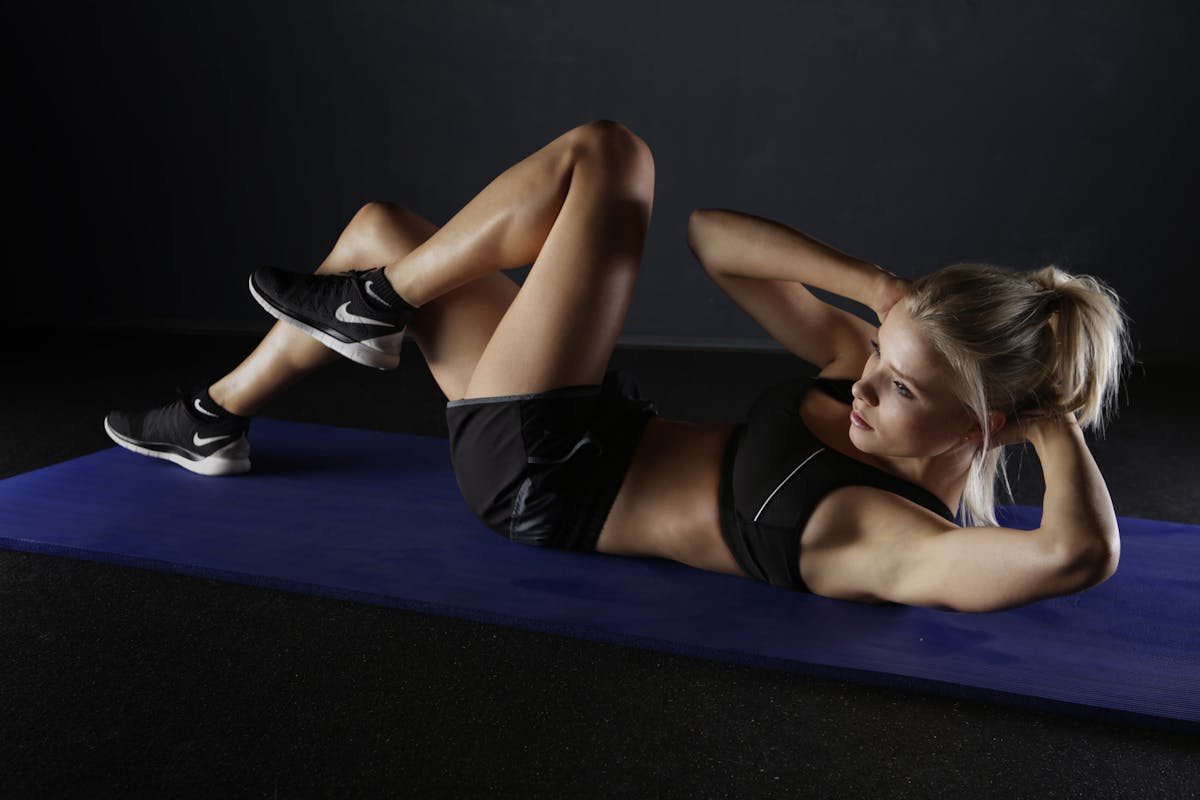
Inflammation + Recovery
Poor gut health may contribute to chronic low-grade inflammation, impairing muscle recovery and increasing soreness.

Motivation to Train
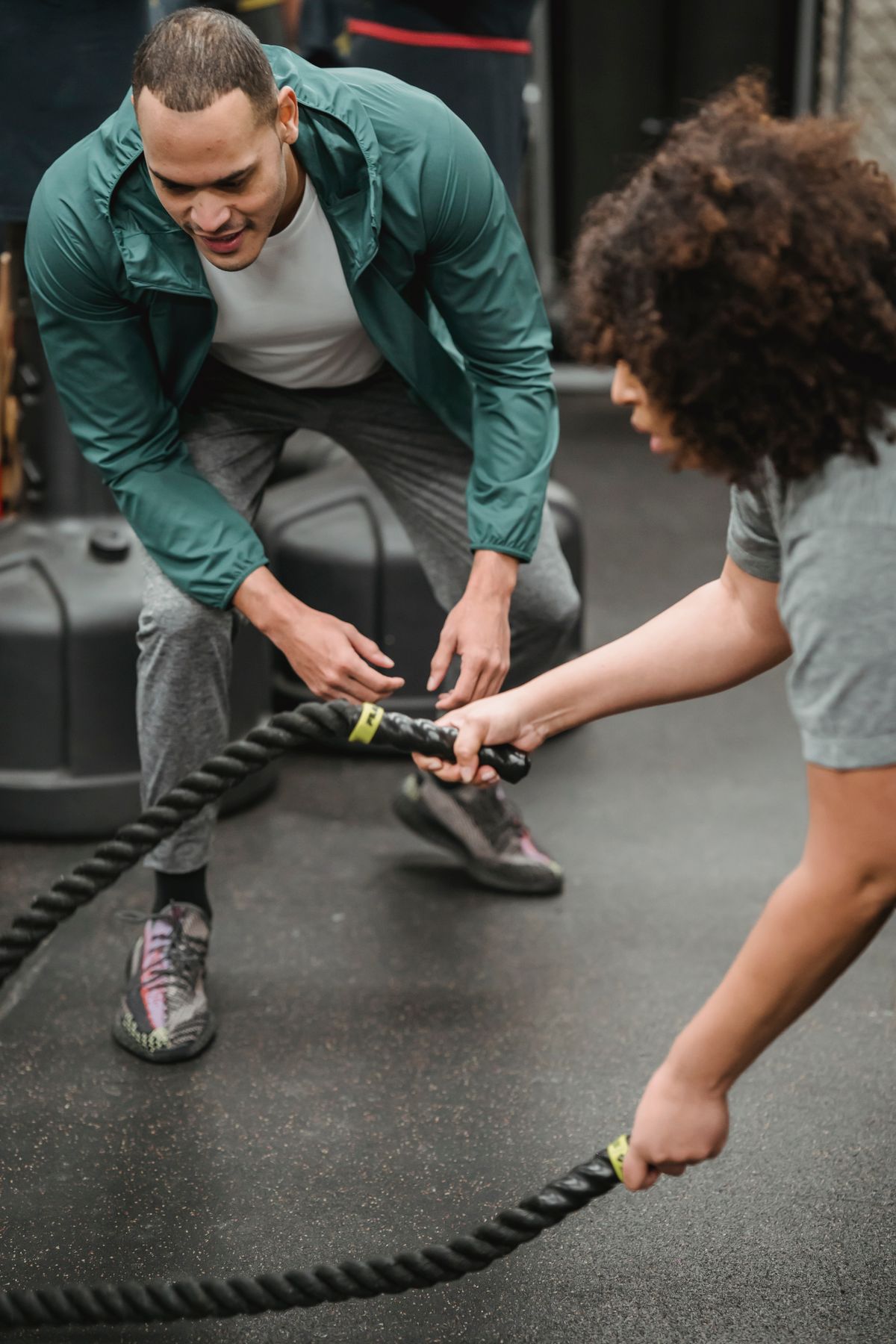
Poor gut health can affect mood, focus and stress management, which are critical for maintaining training programmes.
Immunity + Exercise
Intense exercise can temporarily suppress immunity, increasing susceptibility to training interruptions.

Joint, Muscle + Tendon Recovery
Good gut health and phytochemical-rich foods may help downgrade excess inflammation and improve recovery.

Oxidative Damage
Gut health and phytochemical intake help support adaptive recovery after strenuous exercise.
Simple strategies to support your microbiome while training.
Eat a varied diet
Include fruits, vegetables, whole grains, lean proteins and healthy fats.
Eat probiotic foods
Foods such as kimchi, kefir and sauerkraut are naturally rich in probiotic bacteria.
Stay hydrated
Water supports digestive health and helps reduce bloating, discomfort and reduced performance.
Manage stress
Stress can alter the gut microbiota, increase inflammation and impair immune function.
Probiotics may support endurance, recovery and immune function.
Probiotics, particularly lactobacillus, have been shown to help restore gut homeostasis, improve microbial balance and diversity, enhance nutrient absorption, reduce inflammation and modulate immune function in athletes.
Some studies suggest probiotics may enhance endurance performance by improving energy metabolism and reducing fatigue.
Probiotics may aid recovery by reducing muscle damage, soreness and oxidative stress after training.
A healthy gut microbiota helps train the immune system and may reduce training interruptions.
A balanced gut microbiota can help regulate energy balance, appetite, satiety and metabolism.
YourGutPlus+ and Your-Phyto support the gut-performance connection.

YourGutPlus+
Not all probiotics are the same. Much of the evidence comes from lactobacillus blends, including the strains contained in YourGutPlus+.
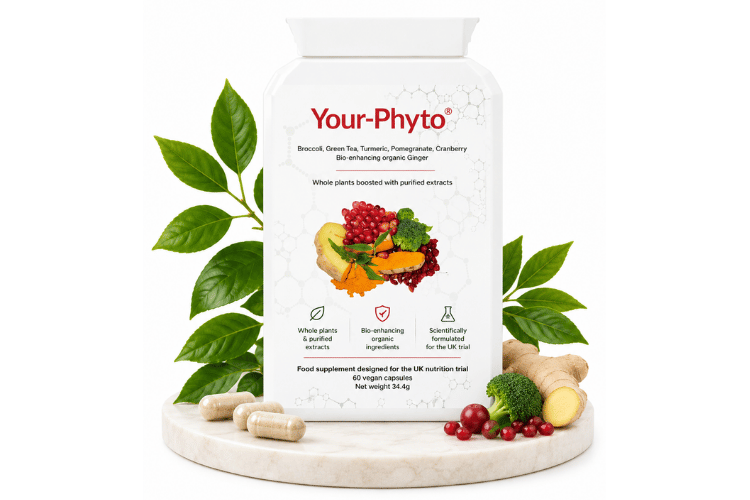
Your-Phyto
Phytochemical-rich foods can support antioxidant defense, help downgrade excess inflammation and may support recovery after exercise.
A major UK study reported improvements in grip strength.
A UK study evaluating the five lactobacillus strains in YourGutPlus+ with Your-Phyto reported improved grip strength, a practical marker of overall physical fitness.
Improvement in strength reported among men in the study.
Increase in testosterone levels reported in the study.
Grip strength correlates with fitness, testosterone, cognition, diabetes, depression risk, stroke risk, bone mineral density and falls.
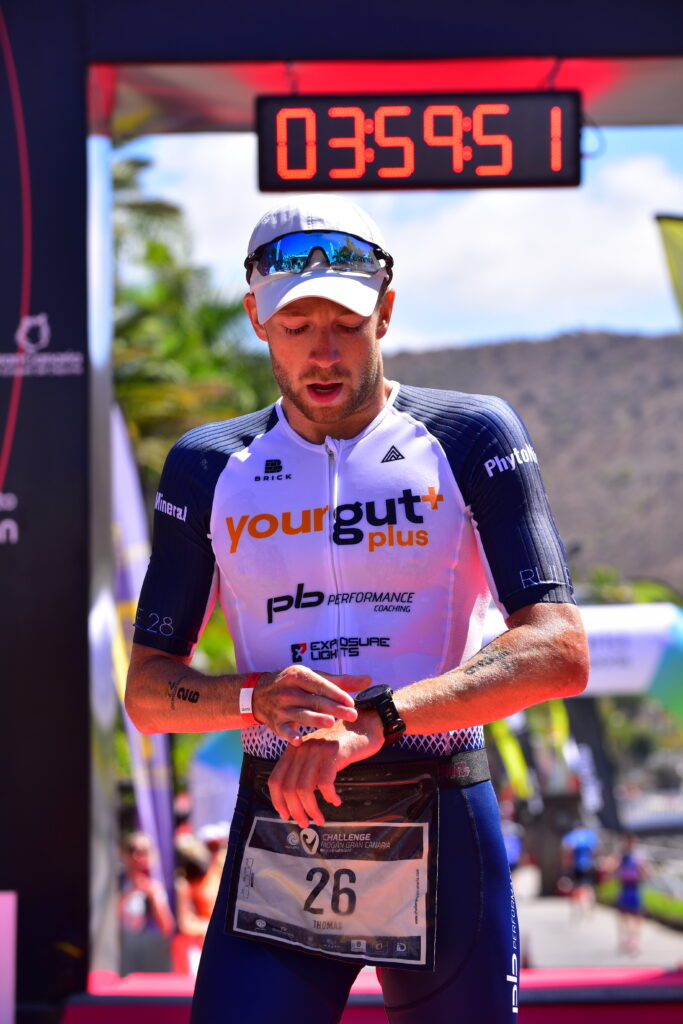
The microbiome supports performance from multiple angles.
A diverse and balanced gut microbiota can enhance nutrient absorption, reduce inflammation, modulate immune function and produce beneficial metabolites such as short-chain fatty acids.
In sport, this can support improved nutrient absorption, reduced inflammation, enhanced immune function, better motivation to train, and optimal body composition.
Research supporting probiotics, gut health and exercise performance.
Di Dio M, Calella P, Pelullo CP, Liguori F, Di Onofrio V, Gallè F, Liguori G. Effects of Probiotic Supplementation on Sports Performance and Performance-Related Features in Athletes. Int J Environ Res Public Health. 2023.
Nami Y, Barghi A, Shahgolzari M, Salehian M, Haghshenas B. Mechanism of Action and Beneficial Effects of Probiotics in Amateur and Professional Athletes. Food Sci Nutr. 2024.
Robert Thomas, Stacey A Kenfield, Yuuki Yanagisawa, Robert U Newton. Why exercise has a crucial role in cancer prevention, risk reduction and improved outcomes. British Medical Bulletin. 2021.
Robert Thomas, Madeleine Williams, Jeffrey Aldous and Kevin Wyld. Multiple biological mechanisms for the potential influence of phytochemicals on physical activity performance. Nutraceuticals. 2023.
Roberts HC, Denison HJ, Martin HJ, et al. A review of the measurement of grip strength in clinical and epidemiological studies. Age Ageing. 2011.
Support your microbiome, recovery and motivation to train.
Explore YourGutPlus+ and Your-Phyto to support a proactive wellness routine inspired by gut health, probiotics and exercise performance research.